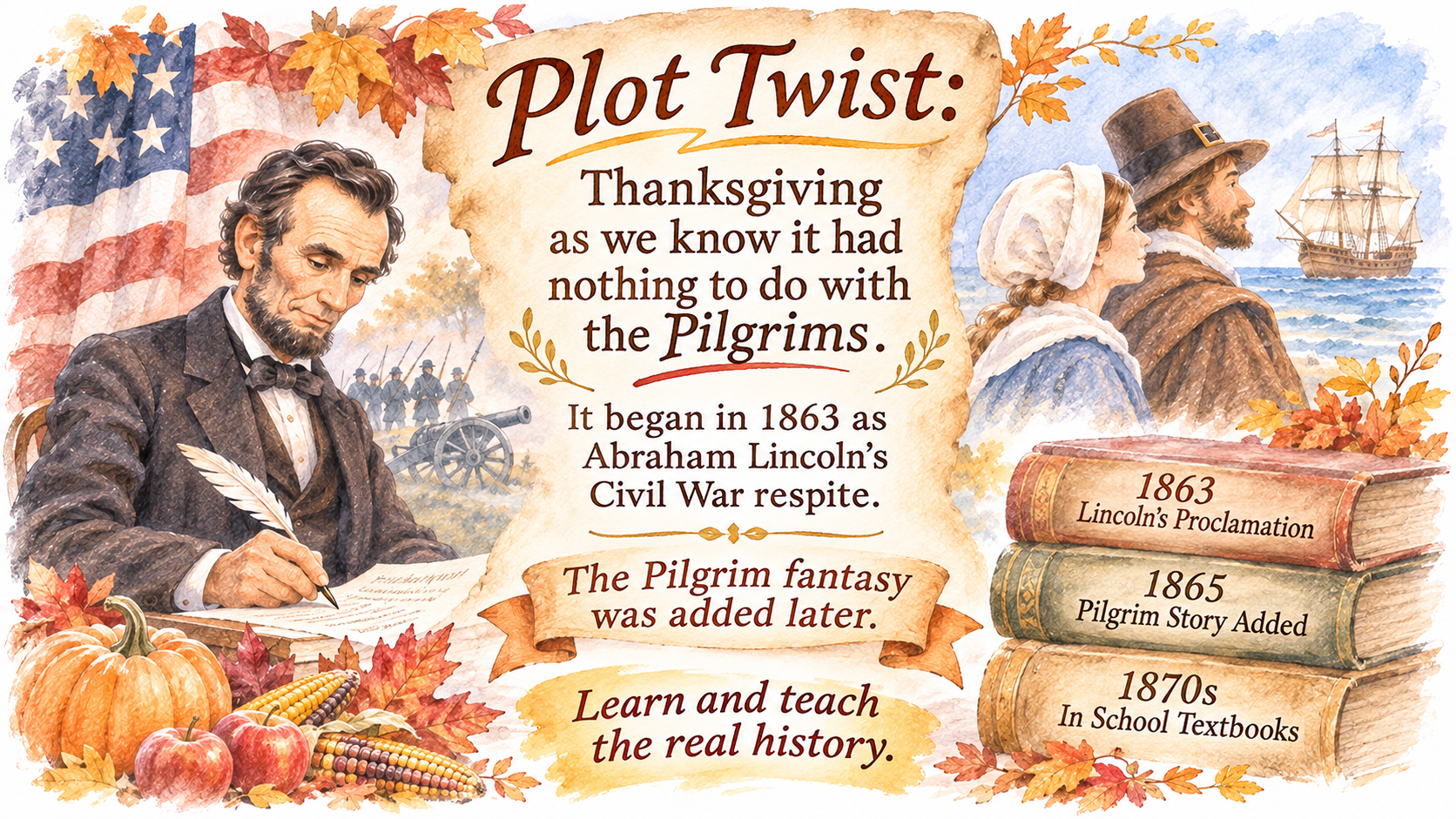
Plot twist: Thanksgiving as we know it had nothing to do with the Pilgrims. 🦃 It began in 1863 as Abraham Lincoln’s Civil War respite. The Pilgrim fantasy was added later.
I researched the first Thanksgiving, and I was surprised to learn that the story most of us were taught is much younger than the Pilgrims. Here’s what I found, working backward. (A note for parents: share as much as feels right for your child’s age.)
Thanksgiving as we know it began in the Civil War
People around the world have long held harvest feasts to give thanks before winter, and Native nations in North America held their own gatherings of thanks long before the Pilgrims arrived. Leaders had also proclaimed one-time days of thanksgiving. But Thanksgiving as a yearly national holiday began in 1863.
A magazine editor named Sarah Josepha Hale spent about 17 years writing to governors and presidents, asking for a national day of thanksgiving. In the middle of the Civil War, after the Union victories at Gettysburg and Vicksburg, Abraham Lincoln proclaimed the last Thursday of November a national day of thanksgiving and prayer. He thanked God for the blessing of fruitful fields and asked Americans to pray for healing for a divided nation. His proclamation never mentioned the Pilgrims.
The Pilgrims were added later
Hale’s early letters didn’t mention the Pilgrims either. She connected Thanksgiving to them in an 1865 editorial. By 1870, school textbooks told the story, and by the late 1880s, children’s books were built around it. Some historians say it spread so quickly because the Pilgrims made a powerful symbol of America’s beginnings during a time of heavy immigration.
There was one more twist. In 1939, President Roosevelt moved Thanksgiving to the third Thursday to give stores more shopping days before Christmas. In 1941, Congress settled it on the fourth Thursday.
What really happened in 1621
In the fall of 1621, the Plymouth colonists held a harvest celebration that lasted three days. Almost everything we know about it comes from one short passage in a letter by colonist Edward Winslow. About 50 colonists were there, and the Wampanoag leader Massasoit arrived with about 90 of his men. The Wampanoag hunted five deer for the feast. Historians describe it as part harvest feast, part diplomacy.
No one called it Thanksgiving. The label was added in 1841, when a Boston minister republished Winslow’s letter. And the menu wasn’t what we picture. Winslow mentions only venison and wildfowl. Wild turkeys were common, and the colony’s governor wrote of a “great store” of them that fall, but we don’t know if turkey was served.
Going back further: the land they settled
The Mayflower reached Cape Cod in November 1620, and the colonists settled at Plymouth that December. About half of them died during the first winter.
The land where they settled had belonged to a Wampanoag village called Patuxet, and it was empty. Between 1616 and 1619, an epidemic had swept the coast and killed most of the people who lived there. Estimates range from three out of four to as many as nine out of ten.
One Patuxet man, Tisquantum, known as Squanto, survived because he had been kidnapped in 1614 by an English captain who took him to Spain to be sold. He eventually made his way home in 1619 and found his village gone. In March 1621, an Abenaki leader from Maine named Samoset walked into Plymouth and greeted the colonists in English. A week later, he returned with Tisquantum. That spring, Massasoit and the colonists made an alliance, and that alliance is why the feast happened.
What came after
Did the colonists kill Native people and build a fort to keep them out? Not at the time of the feast, but later, yes.
The alliance between Plymouth and the Wampanoag held for decades. But the colonists built a fort in 1622, likely after hearing that colonists in Virginia had been attacked. In 1623, the colony’s military leader Myles Standish lured and killed Massachusett leaders at Wessagusset. Massasoit died in 1661, and relations broke down under his sons. In 1675 and 1676, King Philip’s War, led by Massasoit’s son Metacom, killed thousands of people on both sides, and Native losses were far greater. Hundreds of Native captives were enslaved, and the Wampanoag were left largely landless.
In 1970, Wampanoag leader Frank James was invited to speak at an anniversary event in Plymouth, and since then many Native people have gathered there each Thanksgiving for a National Day of Mourning. The Wampanoag, whose name means “people of the first light,” are still here today.
What I want kids to know
Several things are true at once. A harvest feast of hospitality happened. A great deal of loss came before it and after it. And the Thanksgiving we celebrate was created by people, in a particular time, for a particular reason. I love learning the origins behind our traditions, because when we know the whole story, we get to decide what we want to keep alive.
Gratitude matters most when it leads to giving. Even the smallest gifts, given with love, can bring the greatest joy.
Love learning the origins of our traditions?
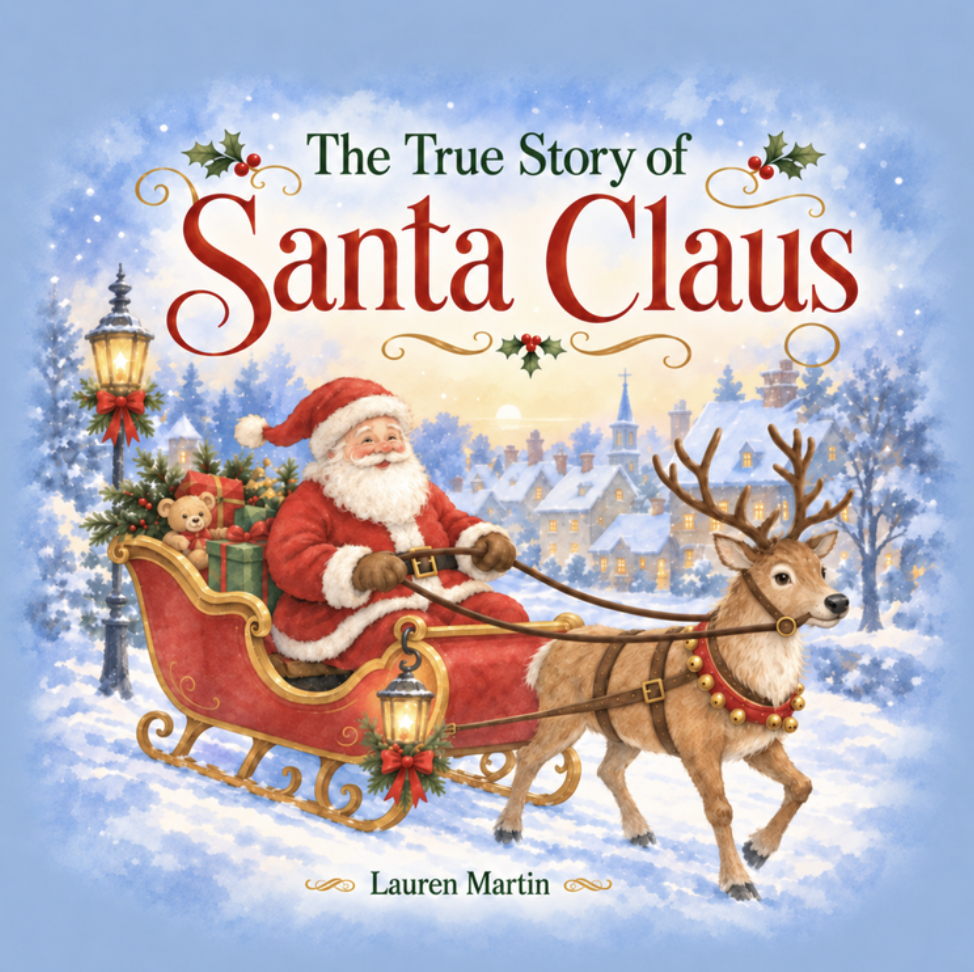
The True Story of Santa Claus tells the real history of Saint Nicholas and the hidden origins of Santa and many Christmas traditions.
Get The True Story of Santa Claus →
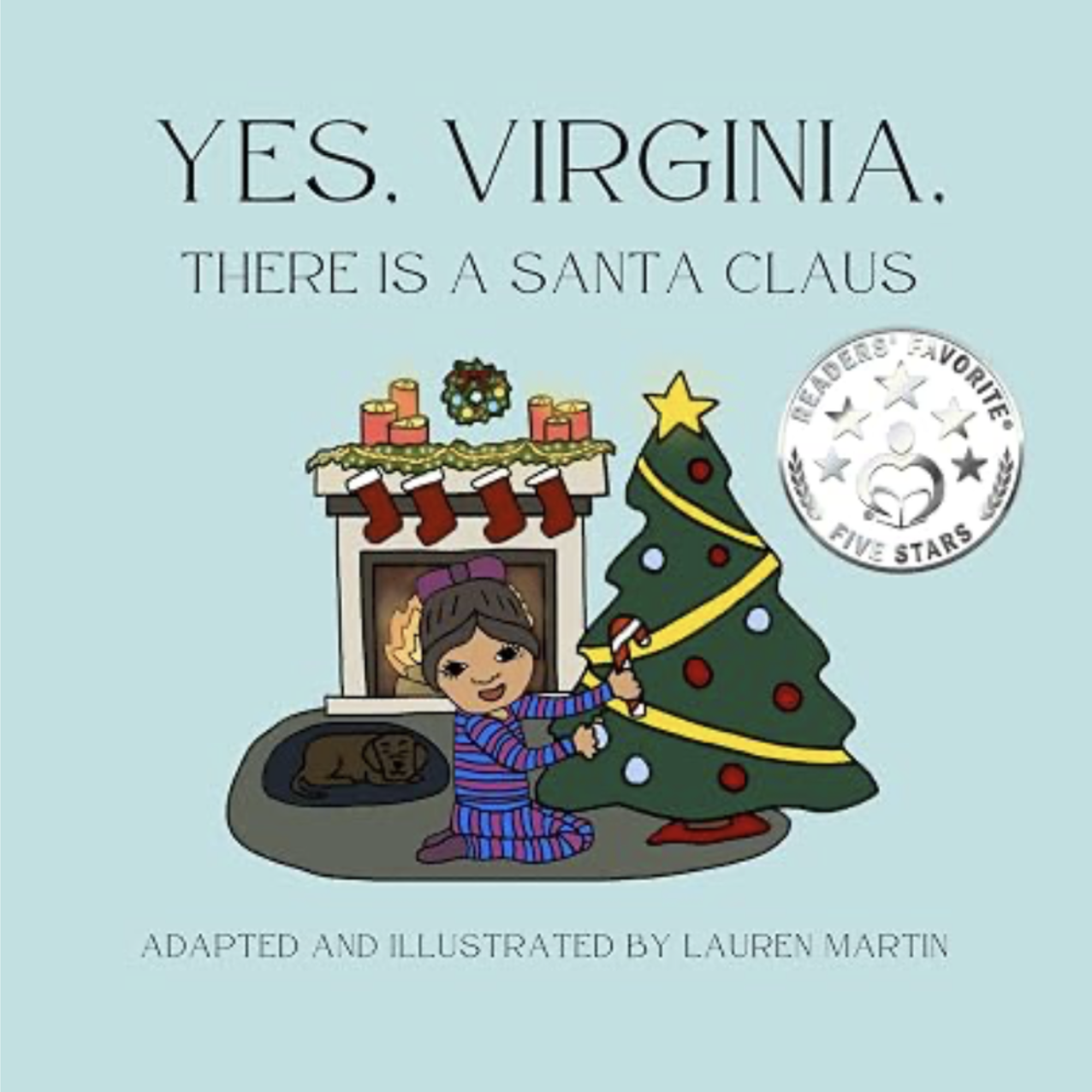
For kids who still believe, read them Yes, Virginia, There Is a Santa Claus.
Turn gratitude into giving
My free Miracle Maker printable walks kids through planning their own secret act of kindness.
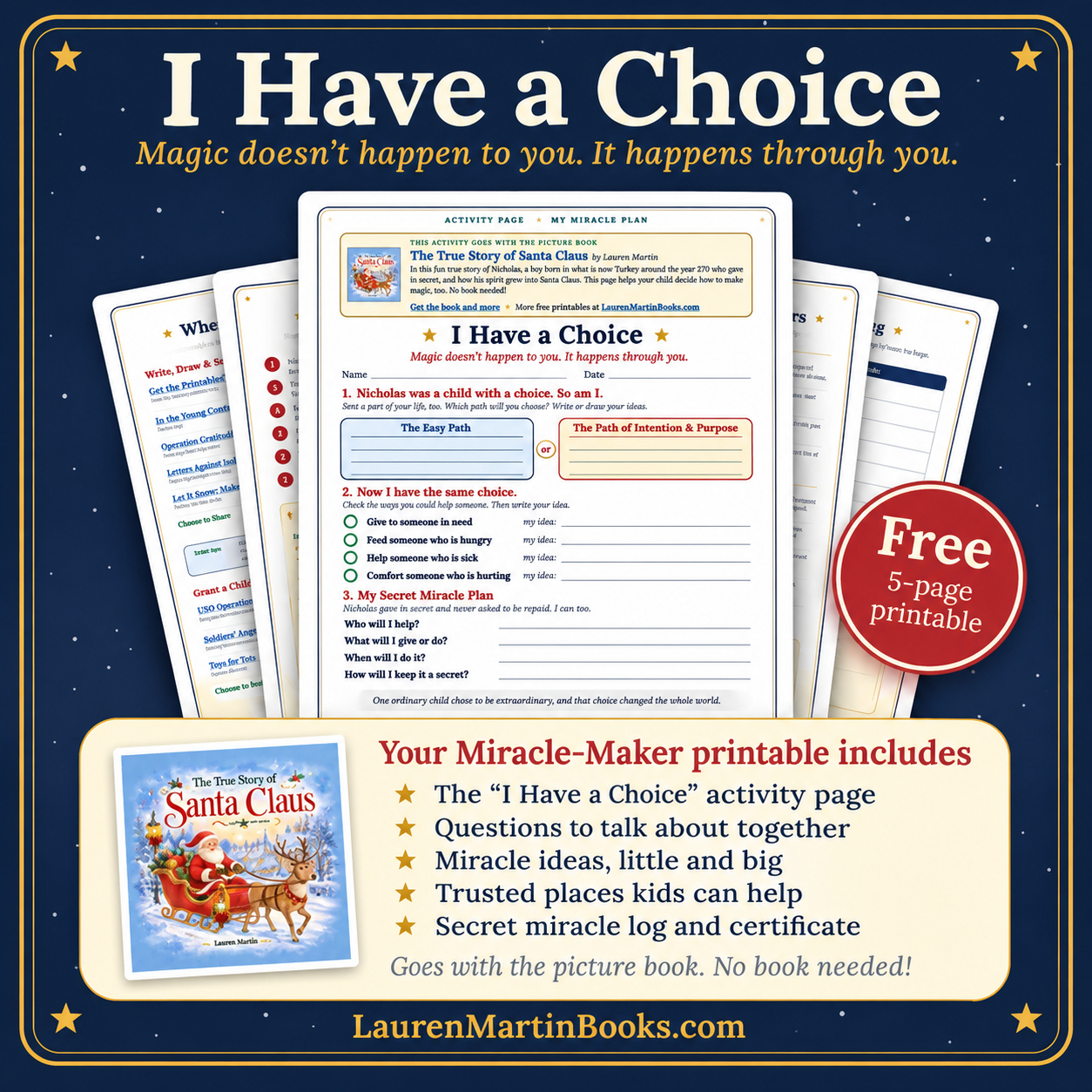
Print it out, grab your kids, and let them decide how they'll make an ordinary day extraordinary for someone else. That's how Santa’s spirits continues to be real. That’s how his miracles and generosity have continued and will continue for millennia. Not because we tell kids to believe, but because we show them how to become the reason someone else does.
Next up
The Origins of Advent, arriving Sunday, the first day of Advent.
Subscribe to my Substack @LaurenMartinBooks so you don’t miss it. 🎄