5 Must-Have Classroom Management Strategies for Teachers

Whether you are a first-year teacher feeling overwhelmed or an experienced educator dealing with a particularly challenging classroom or student behavior, these practical teaching strategies will help you create a calm, engaging, and well-managed learning environment where every student can thrive.

1. Remain emotionally constant:
Children like structure and predictability. No matter what happens, remember that you are the adult in charge: Never act frustrated, flustered or upset. Show students through your unwavering calm that you will unconditionally support their learning no matter how they test boundaries. If you do not know how to react to an outburst, simply pause and address the student, “We will discuss this later.”
2. Assume the best:
Never take a student’s behavior personally or make assumptions about their intentions. Behavior is often a sign that a student is struggling, overwhelmed, frustrated, tired, or dealing with something you cannot see. Respond with curiosity, patience, and clear expectations. Treat every student like your very best student who is simply having a very bad day.

3. Be consistent:
Be consistent with expectations! Articulate expected behaviors and appropriate consequences. Then stay alert and organized to consistently uphold expectations 100% of the time. How? Jot down (or have a trustworthy student do so) off-task behaviors, warnings and consequences on a clipboard because you will forget “who did what” later. Then ALWAYS follow up with consequences. Negative and positive parent phone calls are a great way to encourage positive behaviors!
4. Don’t start with a consequence:
Follow the least invasive approach to address off-task behavior:
Pause
Make eye contact
Give a whole class anonymous correction or positive reminder
Tap the student’s desk
Say student’s name (non-aggressive tone)
THEN privately tell the student to change a specific behavior or there will be a consequence
THEN (an only then) give a consequence PRIVATELY.
If this least invasive continuum seems impossible and you cannot privately address a disruptive student or give them a second chance THEN postpone the specifics. For example, say, “Jack, that is the third time I had to stop instruction because of your behavior. We will discuss your consequence after class.” This lets the class know behavior is unacceptable while avoiding a power struggle.
5. Demand 100% attention:
Whenever you talk, make sure 100% of students are focused. If one student is staring out the window, stop and wait. If two kids are whispering or making faces, stop and wait. Don’t get angry, make threats or say, “I’ll wait.” JUST WAIT.
If you demand 100% attention, you must make every word count. Script your classes so every word is necessary and every direction is clear. Do not ramble or repeat yourself because students will learn to ignore you. Instead of repeating yourself, cold-call students to repeat your direction or definition in their own words.
Still struggling with a a particularly challenging student?
How to Encourage instead of Enforce 100% attention:
Instead of demanding students’ attention, create lessons that genuinely earn it. Students are more likely to focus, participate, and persevere when learning feels relevant, accessible, and interesting. Use high-interest topics, culturally relevant examples, pop culture, music, videos, and interactive activities to help reluctant learners connect with the material and master challenging reading and writing skills. When students actually want to participate, classroom management becomes easier and learning becomes more meaningful.
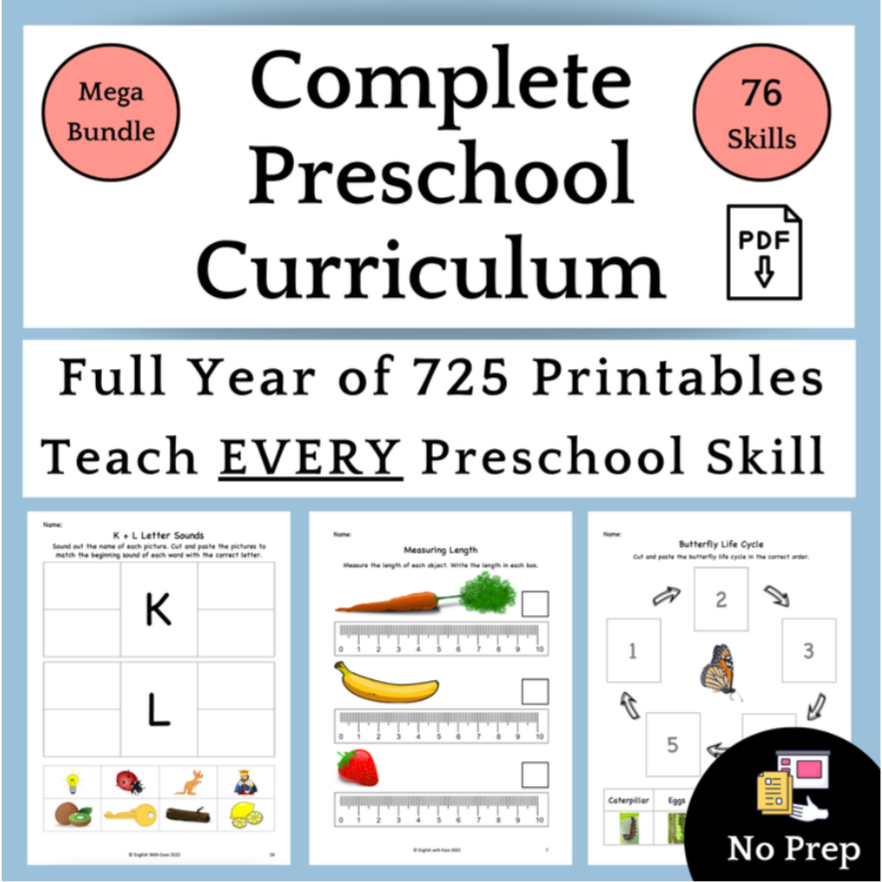
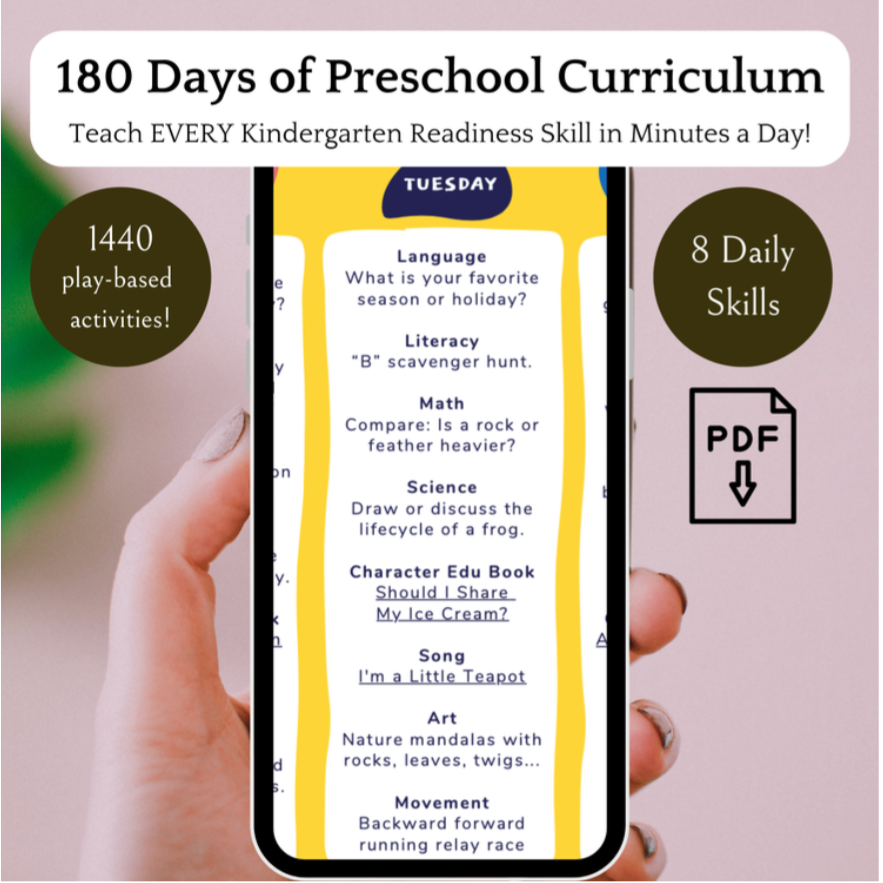
Save planning time and reach even your most reluctant learners with my ready-to-use K–12 curriculum, lessons, and activities. My resources are specifically designed for students who struggle to master reading and writing skills through traditional materials. High-interest, culturally relevant topics, including pop culture, music, and video content, help make challenging skills more accessible, meaningful, and engaging. Explore standards-aligned resources for preschool, elementary, middle school, and high school in my English with Ease Teachers Pay Teachers store.
For even more practical classroom-management strategies, I also recommend Teach Like a Champion by Doug Lemov.


Together, we can help children grow into thoughtful, confident learners who care for themselves, their communities, and the world around them.