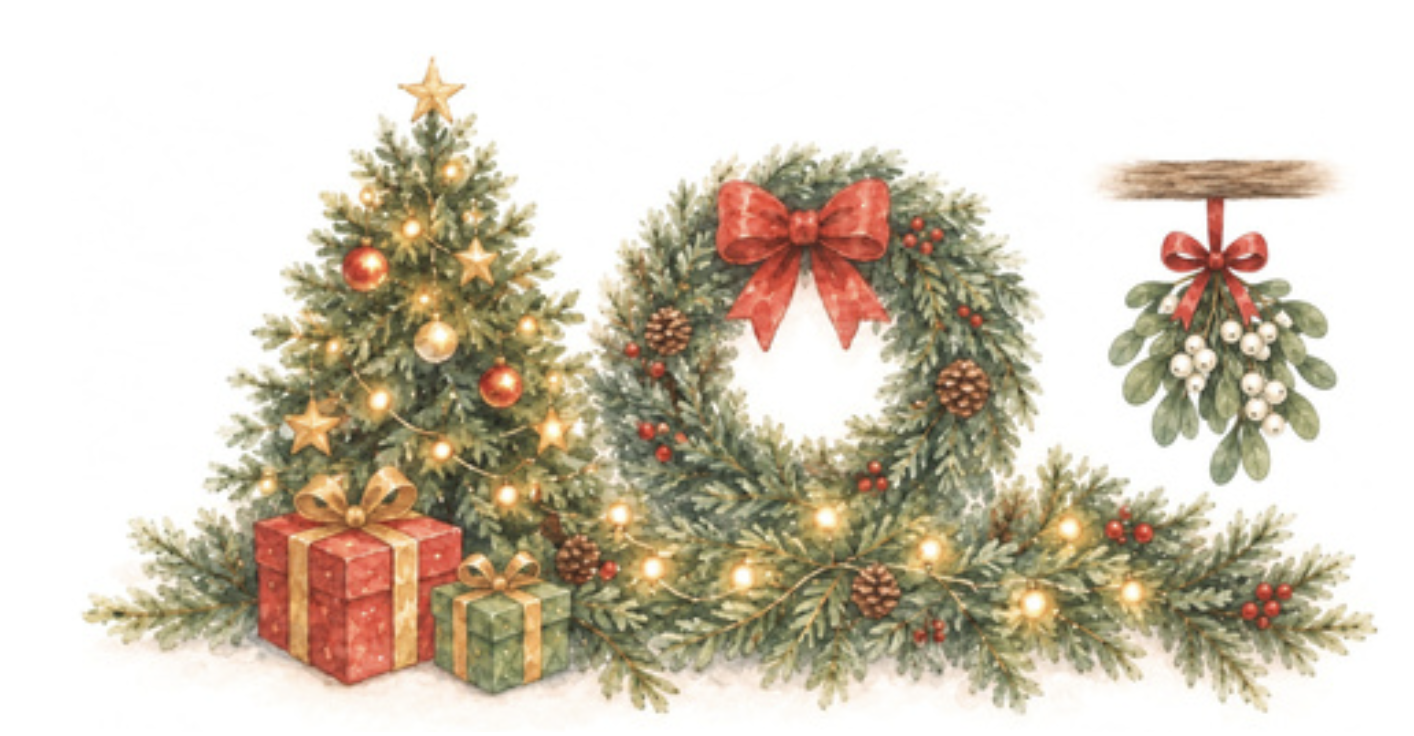
Why do we bring evergreens inside, hang wreaths on our doors, kiss under mistletoe, and string up lights in the darkest part of the year?
For thousands of years, Indigenous peoples relied on reindeer in snowy climates. Siberian and Sámi lore spoke of a deep spiritual bond with reindeer. Shamans saw reindeer eating red-and-white fly agaric mushrooms, which made them prance about wildly and leap as if aWhy we bring evergreens inside, hang wreaths on our doors, and string up lights in the darkest part of the year
Have you ever stopped to wonder why we bring a tree inside our homes every December? Or why we hang a circle of greenery on the front door?
Most of us follow these traditions without ever knowing why. I want to change that. I love learning the secret histories behind our beliefs and traditions, and I want kids (and the grown-ups who love them) to start questioning every tradition they follow, so they grow up to be lifelong learners who search for meaning, even in the things that seem the most ordinary.
So let’s start with the tree, the wreath, and the lights.
What do Greenery and Lights Symbolize?
During ancient winter solstice festivals of Yule and Saturnalia, Germanic and Roman people used evergreen and holly as a reminder that life always survives through winter and returns in spring. As Yule blended with Christianity, a log was said to be burned for the 12 days of Christmas, from Christmas to Epiphany, to encourage the sun’s return. Circular wreaths represented everlasting life. They became “welcome rings” on medieval doorways to signal hospitality, celebration, and goodwill toward winter travelers. Families brought evergreen trees inside and decorated them with candles and reflective ornaments to fill the darkest nights with light. Today, every tiny Christmas light reminds us that darkness has no power when even one small light is shining.
What do we Kiss Under Mistletoe?
Before it represented love and affection, mistletoe was a sacred Celtic and Norse symbol of fertility because it produced berries in the dead of winter.
Want the rest of the story?
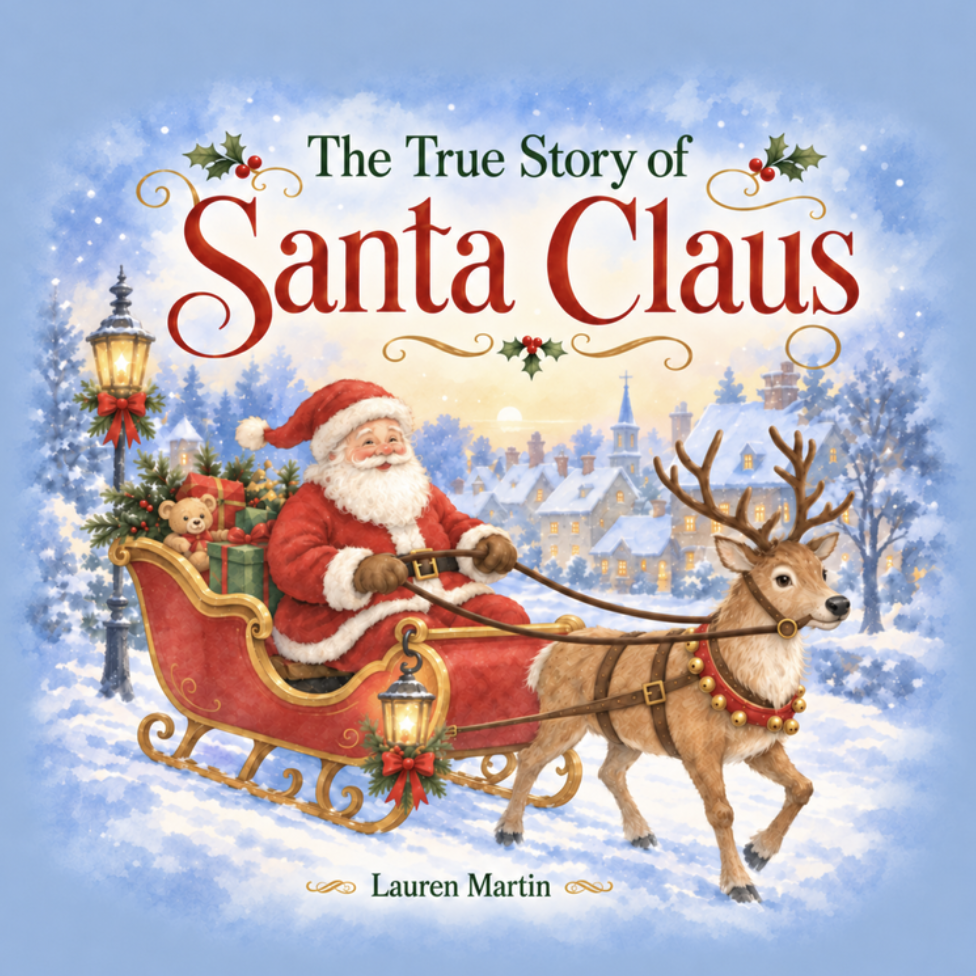
This is just one of the secret histories I share in The True Story of Santa Claus. The book answers the question every parent eventually faces, “Is Santa real?”, with the true story of Nikolaos, the boy who became Saint Nicholas and inspired centuries of secret giving. In the back, you’ll also find the hidden origins behind flying reindeer, elves, red robes, the North Pole, stockings, chimneys, and more.
I wrote it for my own kids, so we could keep the magic alive in our home instead of losing it.⭐
A free way to put the story into action
If one small light can push back the darkness, imagine what one small act of kindness can do. I made a free printable, the Miracle Maker, that walks kids through planning their own secret act of giving. It includes a planning page, conversation starters, a list of trusted, kid-safe ways to help others, a Miracle Log, and an official Miracle Maker certificate.
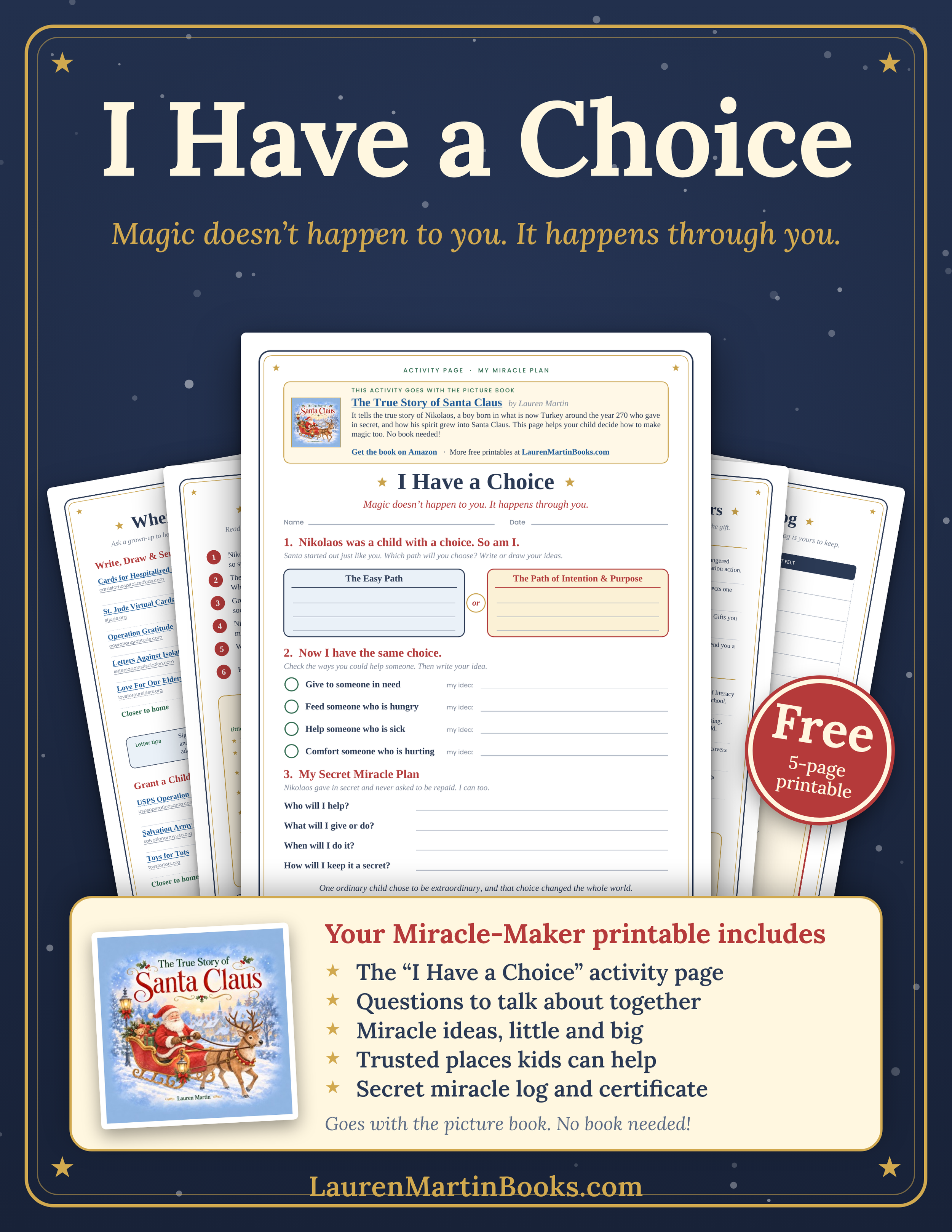
Print it out, grab your kids, and let them decide how they'll make an ordinary day extraordinary for someone else. That's how Santa’s spirits continues to be real. That’s how his miracles and generosity have continued and will continue for millennia. Not because we tell kids to believe, but because we show them how to become the reason someone else does.
Next up
“Xmas” gets a bad reputation. Many people think it’s a modern shortcut that takes Christ out of Christmas. Next time, I’ll share “Why the Greek Word ‘Xmas’ Isn’t What You Think”, and why this tradition is much older than you’d expect.